Introduction

Copenhagen Fashion Week has officially cemented itself as the world's most exciting street style destination—and the 2026 shows didn't disappoint. While Paris and Milan cling to tradition, the Danish capital continues to push boundaries with its signature blend of Scandinavian minimalism and fearless experimentation.

What makes Copenhagen street style 2026 so compelling? It's the effortless tension between clean lines and unexpected details, between sustainable consciousness and bold self-expression. These aren't outfits designed to impress—they're clothes worn by people who genuinely love getting dressed.

We've analyzed the standout looks from this season's shows and broken down exactly what makes them work. Better yet, we'll show you how to recreate each one without the designer price tag. Whether you're drawn to oversized tailoring, butter-soft leather, or the unexpected pop of color, there's a Copenhagen-inspired look waiting for you.

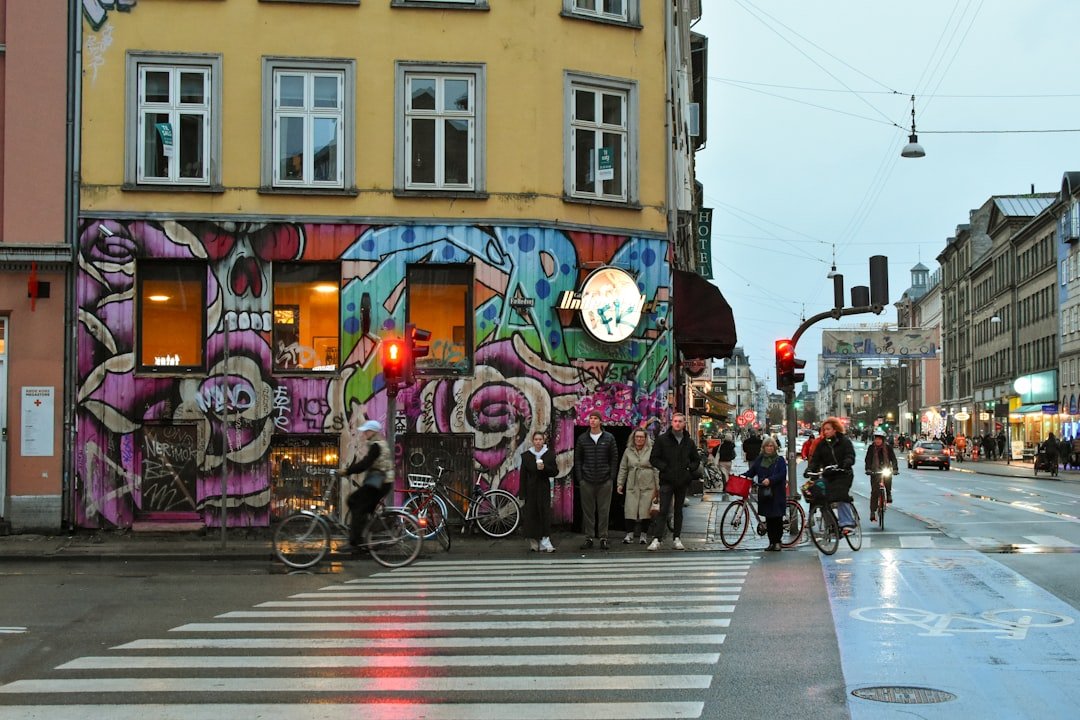
Street style photographers capturing fashionable attendees outside Copenhagen Fashion Week venue in winter 2026
The scene outside Copenhagen Fashion Week 2026, where minimalism meets main character energy.
Photo by Mircea Solomiea on Unsplash

1. The Oversized Wool Coat with Track Pants

Nothing says Copenhagen quite like the high-low mix. This season's most photographed look paired a structured, floor-grazing wool coat in oatmeal with vintage-inspired track pants and chunky loafers. The contrast is intentional—Danish dressers understand that looking too polished feels dated.

Why it works: The oversized coat brings architectural drama while the athletic bottoms keep everything grounded and modern. It's the kind of outfit that looks like you grabbed whatever was closest but somehow nailed it.

Get the look for less: Skip the €800 designer coat and hunt for vintage wool overcoats at thrift stores—look for dropped shoulders and a straight cut. Pair with Adidas or Nike track pants (bonus points for a slightly faded pair) and leather loafers from Mango or COS. Total budget: under $150.

No image uploaded.

2. Butter Yellow Everything

Forget dopamine dressing in electric brights—Copenhagen's color story for 2026 is softer and more sophisticated. Butter yellow emerged as the unexpected hero, worn head-to-toe in monochromatic looks that felt both fresh and timeless. We spotted the shade on everything from leather trenches to knit sets to structured bags.

Why it works: This warm, muted yellow flatters nearly every skin tone and photographs beautifully in Copenhagen's soft winter light. It's cheerful without being aggressive—perfectly aligned with the Scandinavian approach to color.

Get the look for less: H&M and Zara have already picked up on this trend, offering butter yellow blazers, trousers, and knitwear at accessible price points. For the full monochrome effect, mix textures rather than shades—a ribbed knit top with wool trousers in the same color family creates visual interest without breaking the palette.

3. The Deconstructed Suit

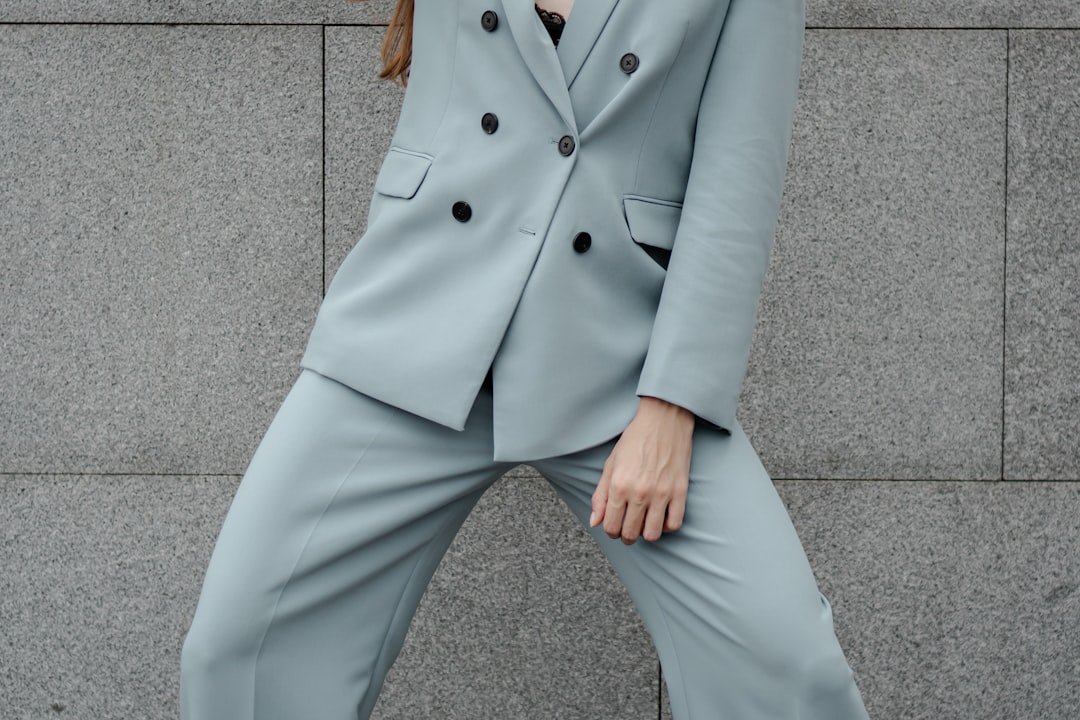
Tailoring in Copenhagen has never been about boardroom polish. This season, the deconstructed suit dominated—think unlined blazers with raw edges, trousers cut deliberately too long, and unexpected fabric choices like washed silk or technical materials. The vibe is "I borrowed this from someone much taller and more interesting."

Why it works: Imperfect tailoring signals confidence. When your suit looks slightly undone, it reads as intentional rather than sloppy. Danish fashion editors have mastered this art of studied nonchalance.

Get the look for less: Buy your blazer two sizes up from secondhand stores and have a tailor leave the hem raw. Pair with wide-leg trousers that pool at the ankle—ASOS and Weekday offer great budget options. Finish with flat shoes (never heels) and minimal jewelry.

Danish fashion editor wearing oversized grey deconstructed blazer with pooling trousers and ballet flats
Perfectly imperfect tailoring spotted outside the Ganni show.
Photo by Maryna Kazmirova on Unsplash

4. Shearling Worn Unexpectedly

Shearling isn't new, but Copenhagen's approach to it certainly is. Rather than classic aviator jackets, we saw shearling vests layered over technical outerwear, shearling-lined ballet flats, and cropped shearling bombers worn with flowing maxi skirts. The texture was everywhere—just never where you'd expect it.

Why it works: Shearling adds instant tactile luxury to any outfit. By placing it in unexpected contexts, Copenhagen's style set keeps the material feeling current rather than predictable.

Get the look for less: Vintage shops are treasure troves for shearling pieces at fraction of retail prices. Look for cropped or vest silhouettes that layer easily. Alternatively, Uniqlo's faux shearling accessories offer the texture without the investment.

5. Technical Fabrics Meet Traditional Silhouettes

Copenhagen's sustainability focus has birthed a fascinating aesthetic trend: high-tech fabrics cut into heritage shapes. Picture a classic trench coat in recycled nylon, a Victorian-inspired blouse in moisture-wicking material, or tailored trousers with the sheen of athletic wear. It's practical futurism that still respects sartorial tradition.

Why it works: This approach solves the eternal style problem of wanting to look good while actually being comfortable. When your clothes can handle a sudden rain shower or an impromptu bike ride, getting dressed becomes less precious and more fun.

Get the look for less: Brands like Arket, COS, and & Other Stories (all Scandinavian, unsurprisingly) excel at this blend of technical and traditional. Watch for pieces that look classic from a distance but reveal modern details up close—hidden zippers, sealed seams, or stretch panels.

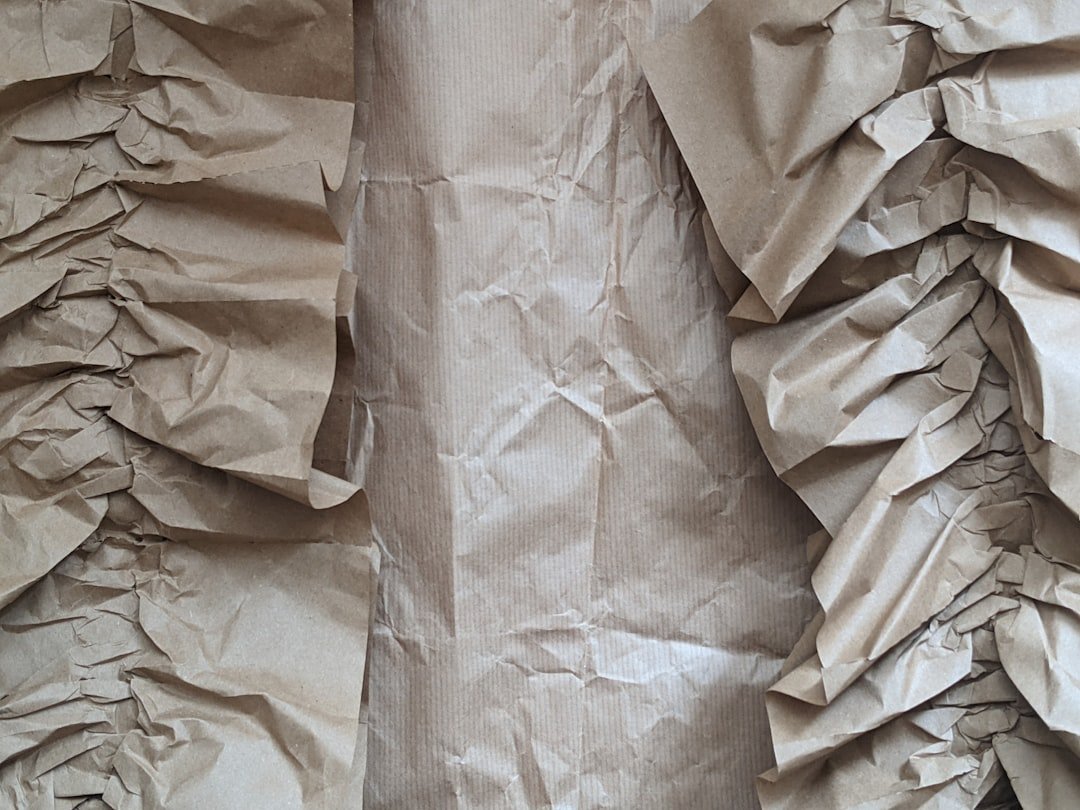
Close-up of recycled nylon trench coat with technical details and water-resistant finish
Technical fabrications with timeless silhouettes—a Copenhagen signature.
Photo by M. X. on Unsplash

6. The Après-Ski Aesthetic (Without the Skiing)

Copenhagen embraced cozy alpine references with a distinctly urban twist. We spotted cable-knit balaclavas, quilted moon boots worn with midi skirts, and Fair Isle patterns on everything from sweaters to handbags. The mountain village vibe felt playful rather than costume-y, perhaps because Danes committed to just one or two pieces rather than full ski bunny looks.

Why it works: These nostalgic, texture-rich pieces add personality to minimal Scandinavian foundations. A single statement knit or quilted accessory can transform an otherwise understated outfit.

Get the look for less: Thrift stores are goldmines for vintage ski sweaters and cable knits. For the quilted boot trend, check Zara or ASOS for budget-friendly versions. Remember the Copenhagen rule: one alpine piece per outfit maximum.

7. The Anti-It Bag

While fashion capitals obsess over the latest logo-heavy designer bag, Copenhagen's style crowd carried something different: anonymous, beautiful leather goods with zero visible branding. Soft, sculptural totes in rich burgundy and forest green dominated, along with structured briefcase styles worn crossbody. The message was clear—quality over clout.

Why it works: An unbranded bag signals that you care about design and craftsmanship rather than status symbols. It's a subtly subversive choice in our logo-saturated fashion landscape, and it instantly elevates an outfit without screaming for attention.

Get the look for less: Massimo Dutti, Mango, and even Everlane offer beautifully made leather bags without prominent branding. For vintage options, search for older Coach or Brahmin pieces before they went logo-heavy. Focus on interesting shapes and rich colors rather than recognizable names.
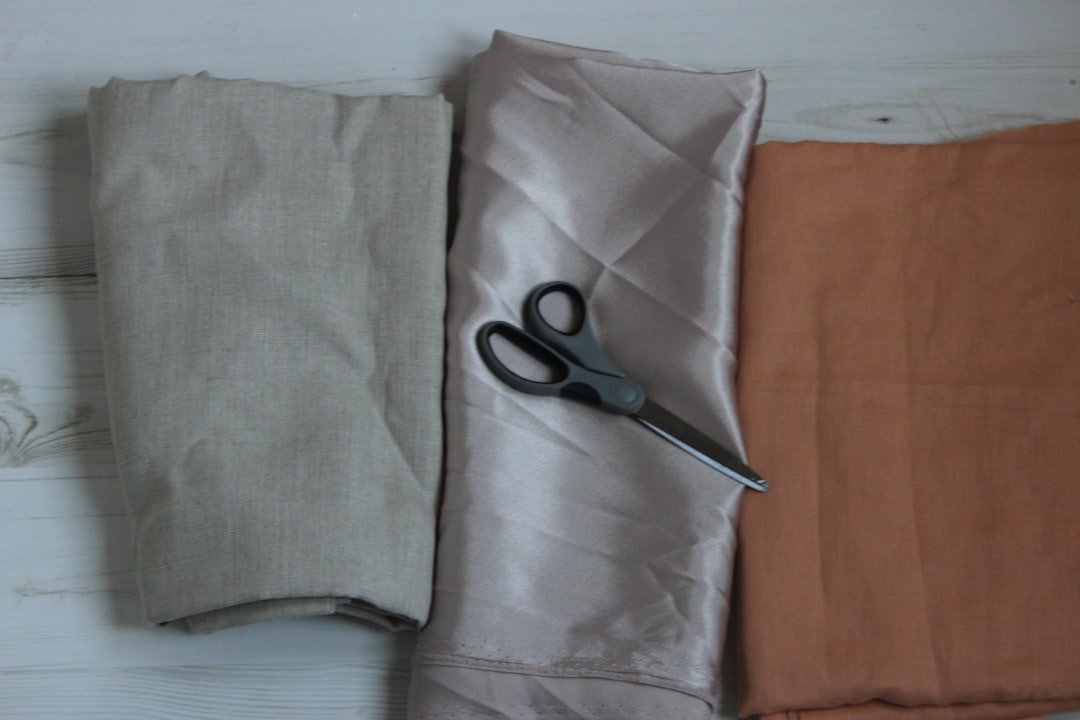
Soft sculptural burgundy leather tote bag with no visible branding held by fashionably dressed person
The anti-It bag: Copenhagen's answer to logo fatigue.
Photo by chantelle taylor on Unsplash

Bonus: The Secret Ingredient

After studying hundreds of Copenhagen street style images, one element appeared again and again: visible layering. Not subtle base layers hidden under coats, but intentional layering where each piece is meant to be seen. Shirt collars over crewneck sweaters, turtlenecks peeking from V-neck dresses, vests over hoodies over button-downs.

This technique serves both form and function in Copenhagen's chilly climate, but more importantly, it creates visual complexity from simple pieces. You don't need expensive clothes to layer interestingly—you just need to stop hiding your underlayers and start treating them as part of the outfit.

Conclusion

Copenhagen street style 2026 proves that looking impossibly cool doesn't require a designer budget—it requires intention. These seven looks share common threads: they prioritize interesting silhouettes over expensive labels, they embrace imperfection, and they balance cozy practicality with genuine aesthetic ambition.

The Danish approach to fashion is refreshingly democratic. While other fashion capitals can feel exclusive and intimidating, Copenhagen's message is simpler: wear what interests you, invest in quality over logos, and never try too hard. That effortlessness? It's actually the result of caring deeply about clothes while refusing to be precious about them.

Ready to build a wardrobe that captures this Scandinavian sensibility? Check out our complete guide to Scandinavian minimalist style for foundational pieces that work as the perfect canvas for these trend-forward Copenhagen looks.

Copenhagen street style 2026 is characterized by oversized silhouettes, high-low mixing (like wool coats with track pants), muted colors with butter yellow accents, deconstructed tailoring, and a focus on quality craftsmanship over visible branding.

Focus on thrifted oversized wool coats, unbranded leather accessories, and intentional layering. Scandinavian-adjacent brands like H&M, COS, Weekday, and Arket offer affordable pieces that capture the aesthetic. Prioritize silhouette and texture over expensive labels.

Copenhagen has become influential because of its unique blend of sustainability consciousness, practical-yet-stylish dressing, and willingness to experiment beyond traditional fashion rules. Danish brands and street style stars prioritize individuality and comfort over trend-chasing.