How to Decode Runway Looks for Real Life
Staff Writer
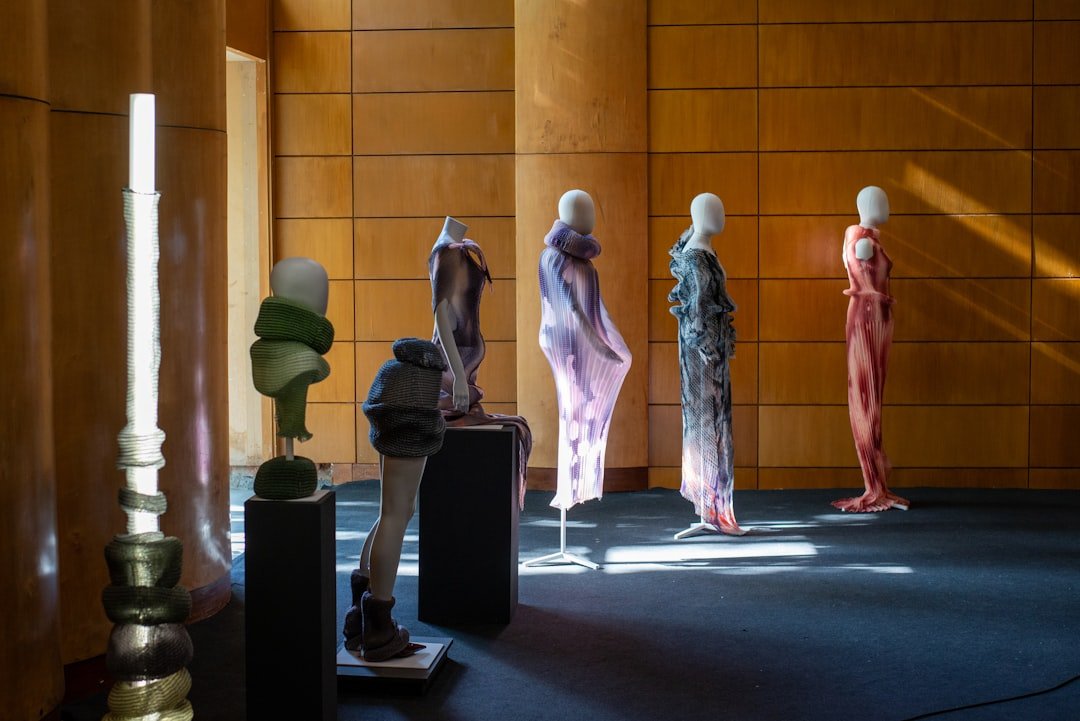
You're scrolling through Fashion Week coverage, mesmerized by the sculptural gowns, the towering platforms, and the avant-garde accessories that look like they belong in a museum. Then reality hits: How does any of this apply to my actual life?
Here's a secret the fashion industry doesn't always share—runway shows were never meant to be worn literally. They're creative showcases, mood boards brought to life, and artistic statements. The designers themselves expect you to interpret their vision, not copy it head to toe.
If you've ever felt intimidated by high fashion or assumed runway trends were reserved for celebrities and influencers with unlimited budgets, this guide is your permission slip to participate. We're going to demystify the runway-to-real-life translation process, giving you the tools to extract wearable inspiration from even the most outlandish collections. By the end, you'll look at Fashion Week with entirely new eyes—and a much more confident sense of how to make those trends work for your wardrobe.
Runway to streetwear translation is the art of taking high-fashion concepts and adapting them into practical, everyday outfits. It's not about finding exact replicas of designer pieces—it's about understanding the essence of a trend and incorporating it into your personal style in a way that makes sense for your lifestyle and budget.
Think of runway shows as the fashion equivalent of concept cars at auto shows. Car manufacturers display wild, futuristic vehicles not because they expect you to drive them, but to showcase new technologies and design directions that will eventually trickle down into the sedans and SUVs at your local dealership. Fashion works the same way.
When Valentino sends a model down the runway in a floor-length hot pink feathered gown, the message isn't "wear this to brunch." The message might be: pink is having a moment, texture is important this season, and don't be afraid to make a bold statement. Your translation? Maybe a pink ribbed sweater paired with your favorite jeans.
The translation process involves three key skills:
1. Identifying the Core Elements — What colors, silhouettes, textures, or styling details keep appearing across multiple looks?
2. Scaling Down — Taking exaggerated runway proportions and adjusting them to wearable levels.
3. Finding Accessible Alternatives — Sourcing budget-friendly pieces that capture the spirit of designer originals.
Once you understand this framework, runway coverage transforms from aspirational entertainment into a practical shopping and styling guide.
You might be thinking, "I'm not a fashion person—why should I pay attention to runway shows?" Fair question. Here's why understanding runway-to-streetwear translation benefits everyone, regardless of how fashion-obsessed (or not) you are.
Shop Smarter, Not Harder
Runway shows happen 6-12 months before trends hit mainstream stores. When you understand what designers are showing, you can predict what fast-fashion retailers will stock next season. This means you can plan purchases strategically, avoid impulse buys on soon-to-be-outdated pieces, and invest in items that will feel fresh for longer.
Build a More Cohesive Wardrobe
Understanding seasonal trends helps you see how different pieces connect. When you know that earth tones and relaxed tailoring are trending together, you can build outfits that feel intentionally styled rather than randomly assembled.
Express Yourself with Confidence
Fashion literacy is empowering. When you understand why certain looks feel current, you can participate in trends authentically rather than feeling like you're blindly following rules you don't understand. You'll make bolder choices because you'll know they're backed by broader style movements.
Ready to start translating runway looks? You don't need a fashion degree or a Vogue subscription. Here's everything you need to begin.
Bookmark Vogue Runway, Elle, or Harper's Bazaar for Fashion Week recaps. These sites break down collections with photos of every look.
Use Pinterest or save Instagram posts to collect runway images that catch your eye—don't overthink it, just save what you're drawn to.
Know what you already own. Many runway trends can be achieved by restyling existing pieces in new ways.
Be realistic about where you actually go. Translating trends for an office job looks different than translating them for a creative freelancer.
Decide how much you're willing to invest in trend pieces versus timeless basics. Trends often work best as affordable accessories or accent pieces.
The Vogue Runway database is particularly useful for beginners because it archives every look from major shows with high-quality photos. You can browse by designer, season, or city, making it easy to spot patterns across collections.
Before you start translating specific looks, let's establish the foundational concepts that make runway decoding possible.
Silhouette refers to the overall shape or outline of an outfit. Is it fitted and streamlined? Oversized and voluminous? Structured with sharp shoulders? Fluid and draped?
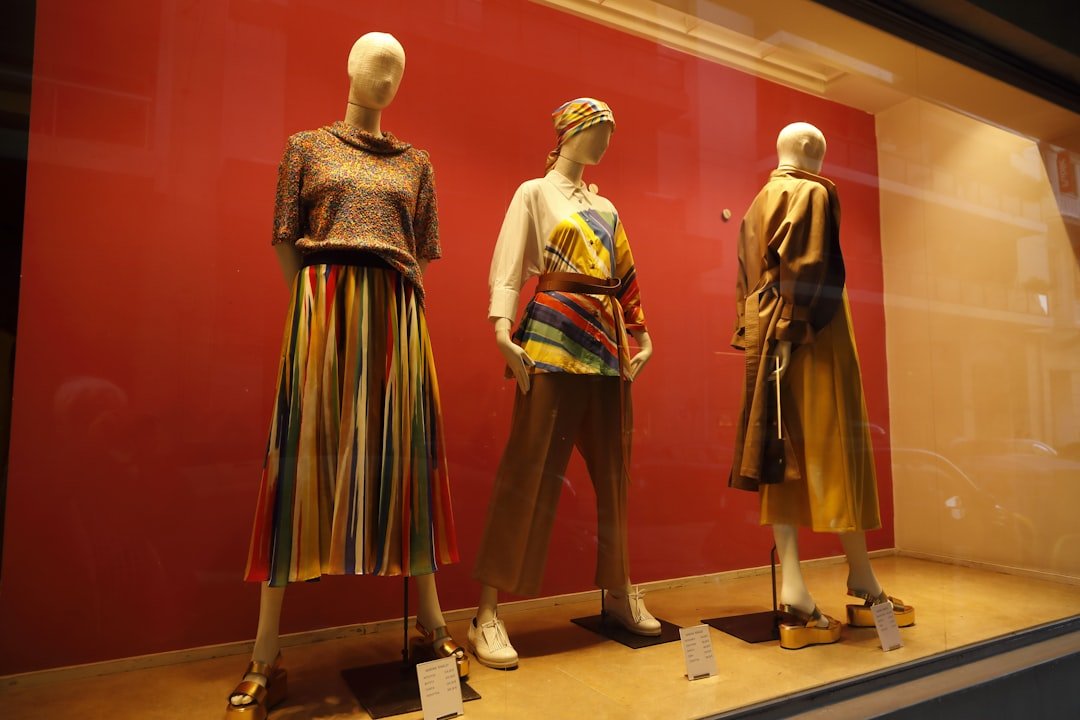
Runway silhouettes are often exaggerated. A designer might show extreme volume—think skirts so wide they barely fit down the runway. Your translation: a midi skirt with gentle A-line flare. The idea of volume remains, but scaled to human proportions.
Designers don't just pick random colors—they create color stories that evoke specific moods. A collection might center on muted pastels with unexpected pops of chartreuse, or explore every shade of brown from camel to chocolate.
Pay attention to how colors are combined, not just which colors appear. Are neutrals punctuated with one bold accent? Are contrasting colors blocked together? These combinations are often more translatable than specific shades.
Texture is often the most overlooked element, but it's incredibly important for making affordable pieces look expensive. When runways show lots of leather, velvet, or chunky knits, the message is about tactile interest—not necessarily about buying those exact materials.
A runway look in genuine crocodile leather translates to a faux-croc embossed bag from Zara. The visual effect is similar; the price tag is not.
Styling details are the small choices that complete a look: how a shirt is tucked, whether sleeves are rolled, the layering of jewelry, the choice of bag shape. These details are often the most translatable runway elements because they don't require purchasing anything new.
When you see models wearing belts cinched over blazers or scarves tied as tops, those are styling techniques you can apply immediately with pieces you already own.
A helpful guideline for beginners: aim for outfits that are 70% classic, wearable pieces and 30% trend-forward elements. This ratio ensures you look current without feeling like you're wearing a costume.
For example, if oversized blazers are trending, pair yours with simple straight-leg jeans and a basic tee (your 70%), letting the blazer (your 30%) do the trend-speaking. This approach also protects your budget—you're investing in timeless pieces while experimenting with trends through more affordable accent items.
Learning to decode runway looks comes with a learning curve. Here are the pitfalls that trip up most beginners—and how to sidestep them.
The biggest beginner error is trying to replicate runway looks piece by piece. Remember: these outfits are designed to photograph dramatically from a distance while models walk quickly past seated editors. They're not designed for sitting at a desk, commuting on the subway, or chasing after kids.
The fix: Ask yourself, "What is this look about?" A dramatic all-red ensemble isn't about wearing head-to-toe scarlet—it's about the confidence of monochromatic dressing and the power of a bold color choice.
Excitement about new trends can lead to wearing all of them at once. Sheer fabrics AND chunky platforms AND oversized shoulders AND bold prints? Even supermodels would struggle to pull that off.
The fix: Pick one, maximum two, trend elements per outfit. Let them stand out against a backdrop of simpler pieces.
Runway proportions are intentionally extreme. Pants might be exaggeratedly wide, shoulders impossibly sharp, or hems dramatically long. Copying these proportions exactly on a regular body, without professional styling and tailoring, rarely works.
The fix: Scale everything down by about 50%. Extreme wide-leg pants become relaxed wide-leg pants. Super-cropped tops become tops that hit at the natural waist.
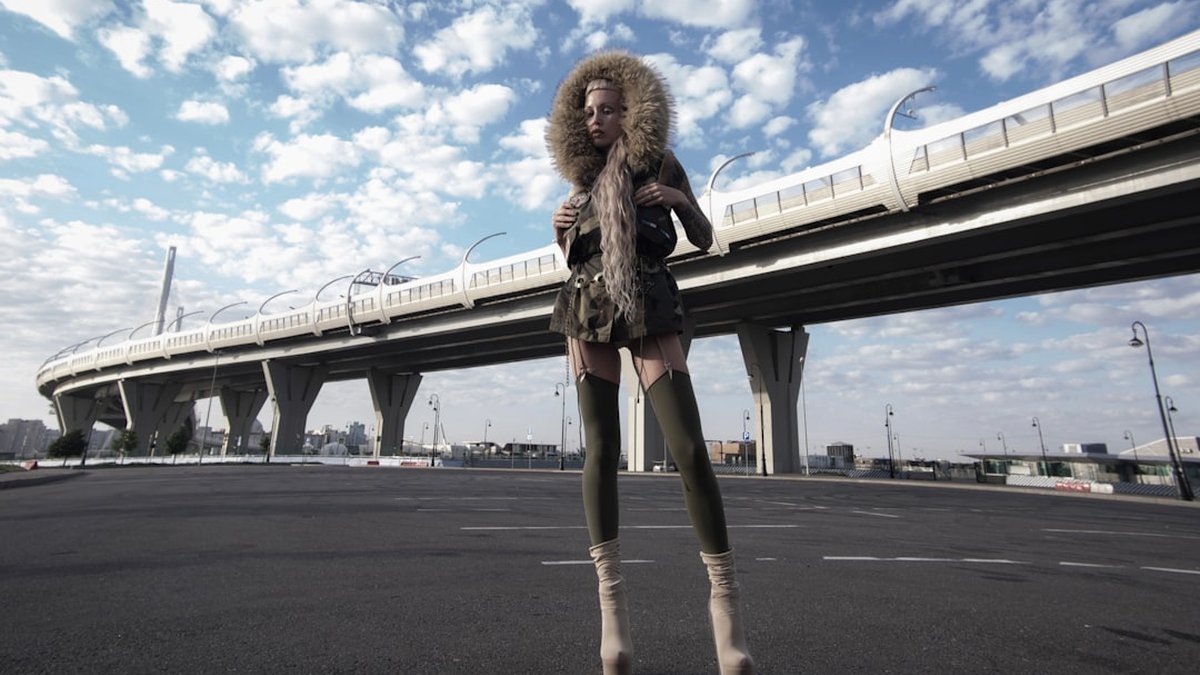
Let's put theory into practice with a hands-on exercise. We'll take a hypothetical (but very realistic) runway look and walk through the translation process step by step.
Imagine a look from a recent Milan Fashion Week show: a model wears an oversized butter-yellow leather trench coat over a sheer mesh top, paired with wide-leg trousers in a clashing coral pink. Accessories include platform sandals, multiple chunky gold chains, and a tiny structured handbag. The overall effect is bold, expensive, and completely impractical for anyone who doesn't have a personal stylist.
The "message" of this look seems to be: embrace warm, sunny colors in unexpected combinations; don't be afraid of relaxed, voluminous silhouettes; add polish through gold accessories.
For the office: - Swap the leather trench for a butter-yellow cotton blazer or lightweight wool coat - Replace the sheer top with a cream silk blouse - Trade coral wide-legs for terracotta or rust-colored tailored trousers - Keep the gold jewelry, but choose one statement piece instead of layering - Opt for pointed-toe flats or low block heels - Choose a structured tote in tan or cognac
For the weekend: - Try a yellow denim jacket or oversized yellow cardigan - Pair with a simple white tank - Choose coral or pink wide-leg linen pants or a flowy midi skirt - Layer a couple of gold chain necklaces - Wear platform sneakers or espadrilles - Grab a small crossbody bag
Both versions capture the spirit of the runway look—warm color blocking, relaxed proportions, gold accents—without any of the impracticality.
Once you've identified which runway trends speak to you, the next challenge is finding affordable pieces that capture the same vibe. Here's where to look.
Stores like Zara, H&M, and Mango are notorious for quickly translating runway trends into accessible price points. Their design teams attend Fashion Weeks specifically to identify trends worth replicating. Browse these stores 2-3 months after major fashion weeks for the freshest runway-inspired pieces.
Pro tip: These retailers are best for trendy accent pieces you won't wear for years—think a specific color or print that's having a moment.
Platforms like ThredUp, Poshmark, and Depop are goldmines for finding previous-season designer pieces at a fraction of original prices. Fashion is cyclical, so vintage shops often have pieces that happen to align with current trends.
Seriously. Before buying anything new, assess what you already own. That blazer you bought three years ago? It might be perfect for the oversized tailoring trend. The colorful scarf collecting dust in your drawer? Suddenly relevant when bold accessories dominate the runways.
Both retailers have expanded their fashion offerings significantly. Amazon's The Drop features limited-edition pieces designed by influencers, while Target's designer collaborations offer runway-inspired looks at accessible prices.
| Category | Designer Version | Budget Translation |
|---|---|---|
| Butter Yellow Coat | $2,500+ leather trench | $80-150 cotton or faux-leather jacket |
| Wide-Leg Trousers | $800+ designer trousers | $40-80 from Zara, Mango, or Uniqlo |
| Chunky Gold Chains | $500+ fine jewelry | $15-40 from Mejuri, Missoma, or Amazon |
| Platform Sandals | $900+ designer platforms | $50-100 from Steve Madden or ASOS |
| Structured Mini Bag | $1,200+ designer bag | $30-80 from JW Pei or Mango |
You've learned the basics of runway translation—now it's time to deepen your skills and develop your personal approach to incorporating high-fashion inspiration into everyday life.
Follow Fashion Weeks in real-time: The four major fashion weeks (New York, London, Milan, Paris) happen twice yearly in February/March and September/October. Following along as shows happen—even just through Instagram stories or recap articles—helps you absorb trends naturally.
Study street style: The outfits worn to fashion shows are often more translatable than what's on the runway. Search "street style Fashion Week" to see how fashion insiders interpret trends in real life. The Sartorialist has documented street style for years and remains an excellent resource.
Learn designer signatures: Understanding what makes each fashion house unique helps you predict trends and find alternatives. Bottega Veneta is known for woven leather. Prada often embraces quirky, intellectual aesthetics. This knowledge helps you shop smarter.
Start a style journal: Document outfits you create based on runway inspiration. Note what works, what doesn't, and what you'd do differently. This builds your styling intuition over time.
Experiment low-stakes: Try trend translations for low-pressure occasions first—weekend errands, casual dinners with friends—before wearing them to important events.
Build a trend-translation community: Share your runway-to-real-life looks on social media or with fashion-interested friends. Feedback and encouragement accelerate learning.
Now that you understand runway translation basics, dive deeper into specific seasonal trends. Our trend forecast guides break down exactly which runway looks are hitting stores this season—and how to wear them.
Read Our Latest Trend ForecastDecoding runway looks might seem intimidating at first, but it's really just a matter of training your eye to see beyond the spectacle. Every dramatic fashion week moment contains practical style lessons waiting to be extracted—color combinations you'd never have considered, proportion plays that add visual interest, styling tricks that elevate simple pieces.
The goal was never to look like you walked off a runway. The goal is to feel inspired, informed, and confident in your style choices. When you understand the language of fashion, you stop being a passive consumer and become an active participant, curating trends that align with your life, your budget, and your personal aesthetic.
Start small. Save a few runway images that catch your eye. Ask yourself what draws you to them. Then look in your closet and see what you already own that captures a similar spirit. You might be surprised how close you already are to "runway-ready"—just translated for real life.
Welcome to the world of fashion fluency. The runways have been waiting for you to join the conversation.
Comments
No comments yet. Be the first to comment!
Leave a Comment