Introduction

Picture this: you're walking down the street wearing a perfectly oversized Japanese workwear jacket, paired with effortlessly chic Parisian trousers, New York-inspired sneakers, and a Berlin-edge accessory that ties everything together. Heads turn. Someone asks where you got your outfit. The answer? Everywhere—and that's exactly the point.

International street style has become the ultimate fashion playground for those who refuse to be boxed into a single aesthetic. Gone are the days when you had to choose between minimalist Scandinavian vibes or bold Tokyo maximalism. Today's most stylish people are cultural curators, pulling inspiration from fashion capitals around the globe and mixing them into something entirely their own.

In this comprehensive guide, we'll take you on a world tour of street style, breaking down the signature elements that define each major fashion capital. More importantly, we'll show you exactly how to blend these diverse influences into cohesive, wearable outfits that express your unique perspective. Whether you're a street style novice or a seasoned fashion enthusiast looking to expand your horizons, you'll walk away with actionable strategies for building an internationally-inspired wardrobe that doesn't require a passport—or a designer budget.

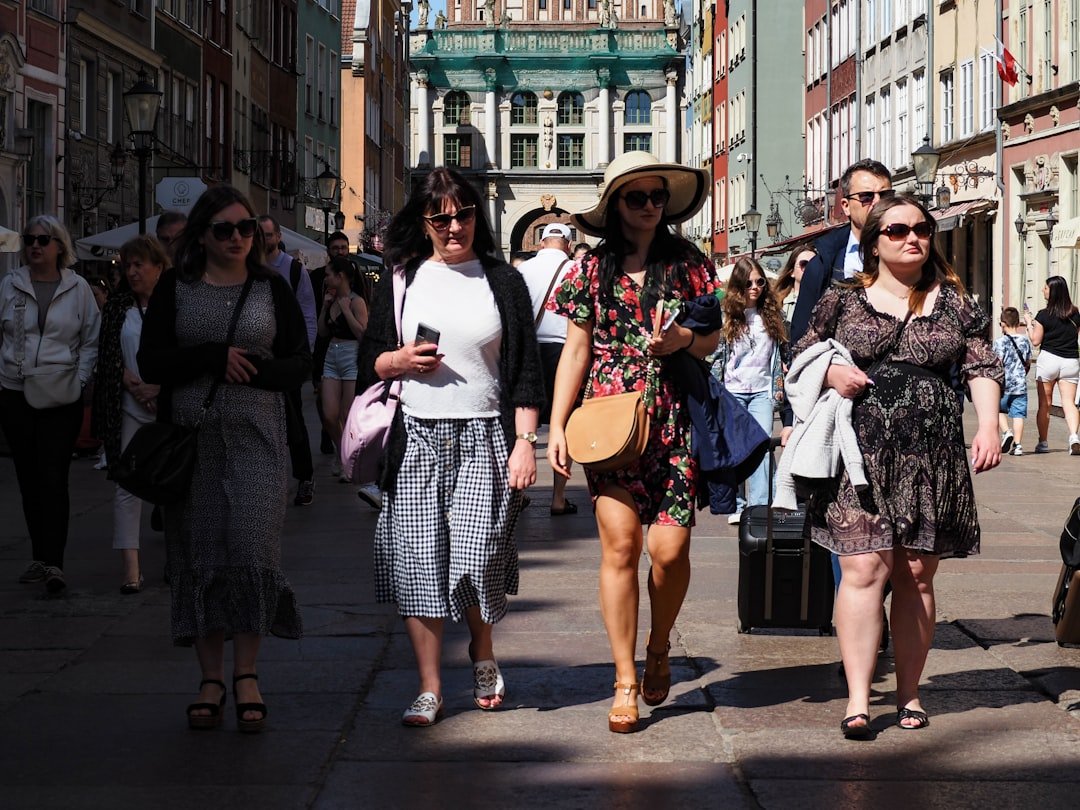
Diverse group of stylish people on city street wearing mixed international fashion influences
Modern street style draws inspiration from fashion capitals around the world
Photo by Lidia Stawinska on Unsplash

What is International Street Style?

International street style is more than just fashion observed on sidewalks—it's a global conversation happening in real-time across cities, cultures, and social media feeds. At its core, it represents how real people interpret and wear trends outside the controlled environment of runways and editorial shoots.

Unlike traditional fashion that flows from designers to consumers, street style works in reverse. It bubbles up from the streets, influenced by local culture, climate, music scenes, and the creative energy of each city's inhabitants. According to the Fashion Institute of Technology, street style has become one of the most influential forces in contemporary fashion, often predicting trends months before they hit mainstream retail.

What makes international street style particularly exciting is its hybrid nature. Thanks to social media platforms like Instagram and TikTok, a teenager in São Paulo can be inspired by a look spotted in Seoul within hours of it being photographed. This cross-pollination has created a new fashion language that transcends borders.

Aspect Traditional Fashion International Street Style
Direction Top-down (designer to consumer) Bottom-up (streets to runway)
Influence Seasonal collections Daily cultural exchange
Rules Defined by fashion houses Created by individuals
Accessibility Often expensive All price points
Speed Seasonal cycles Real-time evolution

The beauty of international street style lies in its democratic nature. You don't need a fashion degree or unlimited budget to participate. What you need is curiosity, an eye for interesting combinations, and the confidence to mix influences in ways that feel authentic to you. It's fashion as self-expression, with the entire world as your mood board.

Why Mixing Global Street Style Matters

In an era of fast fashion and algorithmic sameness, developing a globally-influenced personal style is one of the most effective ways to stand out while staying current. Here's why mastering the art of international street style mixing should be on every fashion enthusiast's agenda.

Creates a Unique Personal Aesthetic

When you draw from multiple fashion capitals, you're essentially creating a style fingerprint that's impossible to replicate. Someone might recognize your Japanese-inspired layering or your Parisian color palette, but the specific combination is yours alone. This individuality is increasingly valuable in a world where trends spread instantly and everyone has access to the same fast-fashion pieces.

Builds a More Versatile Wardrobe

Different cities have developed distinct approaches to dressing for practical reasons—Tokyo's layering techniques work brilliantly for unpredictable weather, while Parisian capsule wardrobing maximizes outfit possibilities with fewer pieces. By incorporating wisdom from various fashion cultures, you build a wardrobe that's adaptable, functional, and endlessly mixable.

Keeps Your Style Fresh Without Constant Shopping

Understanding international street style gives you a framework for reimagining pieces you already own. That basic black turtleneck can go Parisian with tailored trousers, Tokyo streetwear with wide-leg pants and chunky sneakers, or Berlin minimal with leather and silver hardware. Same piece, completely different vibes.

67%
Fashion Consumers
Seek unique style over following trends
4.2B
Street Style Posts
Shared on Instagram annually
73%
Gen Z Shoppers
Mix high and low price points

Connects You to Global Fashion Conversations

When you understand the visual language of different fashion capitals, you become part of a worldwide community. You'll recognize references, appreciate nuances, and engage with fashion content more meaningfully. This cultural fluency extends beyond clothing—it's an entry point into understanding different approaches to creativity, self-expression, and daily life around the world.

How to Identify and Decode City-Specific Style DNA

Before you can successfully mix international influences, you need to understand what makes each fashion capital's street style distinctive. Let's break down the signature elements of four major style cities, giving you a vocabulary of looks to draw from.

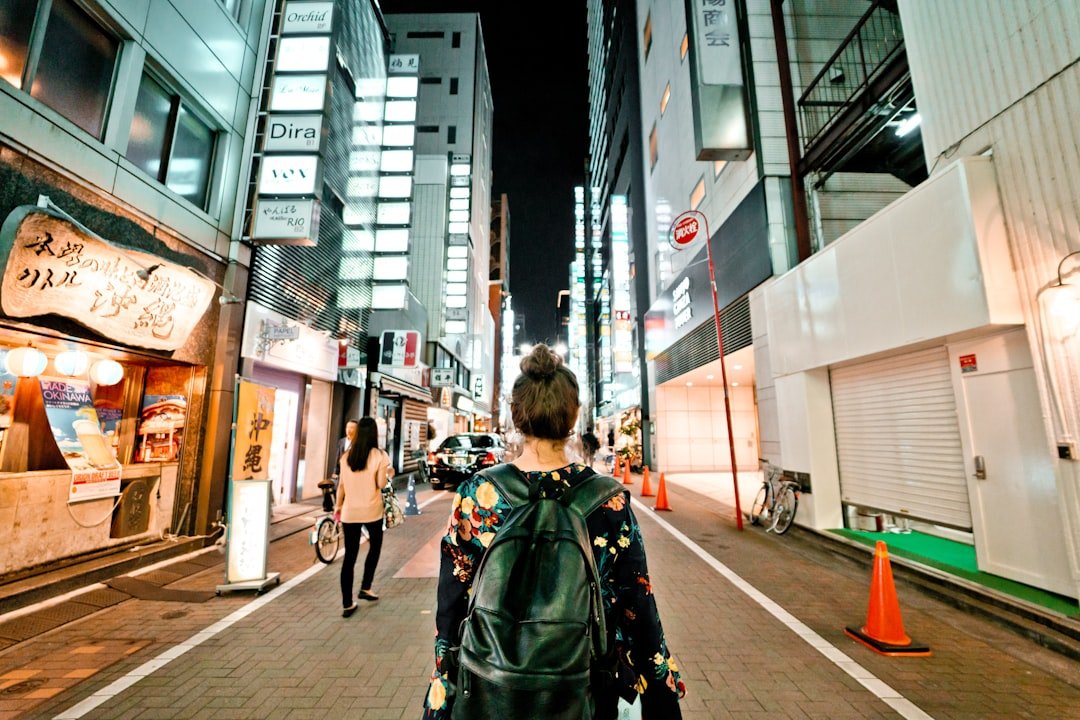
Tokyo Harajuku street style with colorful layered outfits and bold accessories
Photo by Jezael Melgoza on Unsplash

Tokyo: The Art of Thoughtful Maximalism

Tokyo street style is a masterclass in intentional excess. What might look chaotic at first glance is actually carefully considered—every layer, accessory, and color choice serves a purpose in the overall composition.

Signature Elements: - Dramatic layering regardless of season - Mix of high fashion and vintage finds - Bold graphics and statement prints - Platform shoes and architectural footwear - Playful accessories (bags, hats, jewelry) - Gender-fluid silhouettes - Attention to small details and finishing touches

Tokyo style celebrates individuality and creativity above all else. The Harajuku district remains ground zero for street fashion innovation, where subcultures from kawaii to goth-inspired looks coexist and cross-pollinate.

Paris: Effortless Sophistication

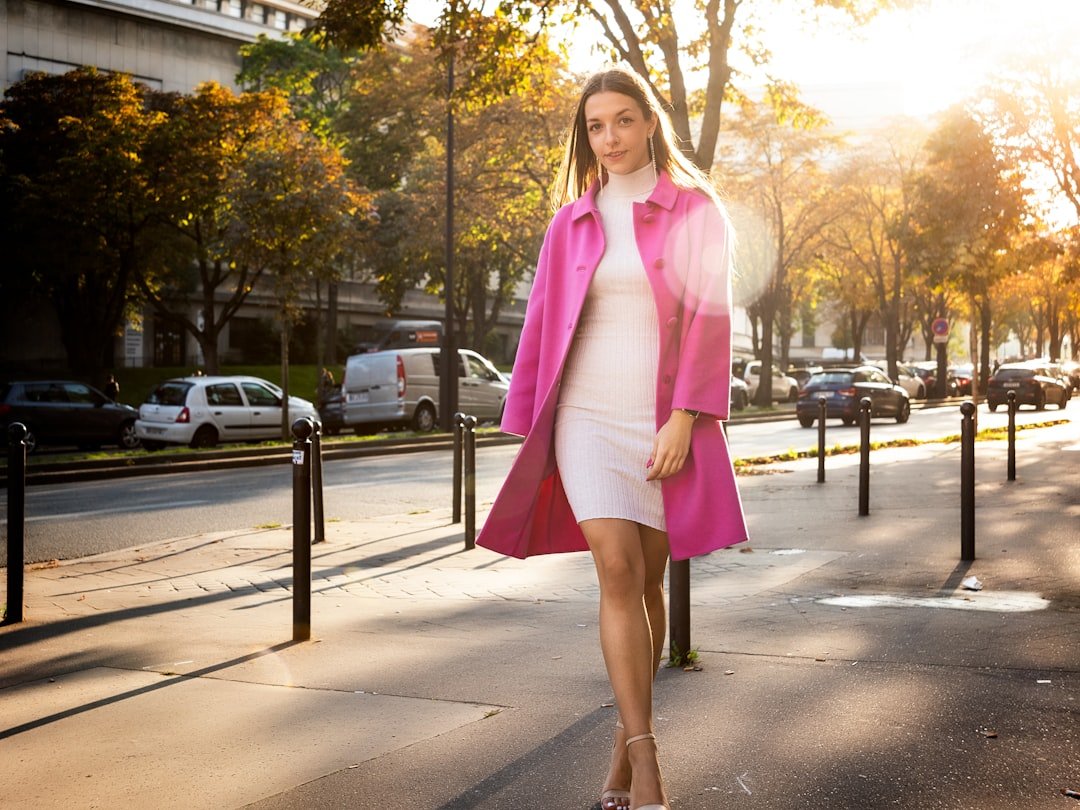
Parisian street style embodies the concept of 'sprezzatura'—the art of looking polished without appearing to try too hard. It's about quality over quantity, perfect fit over trendy pieces, and an almost nonchalant attitude toward looking impossibly chic.

Signature Elements: - Neutral color palettes (black, navy, cream, camel) - Impeccable tailoring and fit - Quality basics as foundation pieces - Strategic 'undone' elements (unbuttoned shirt, slightly messy hair) - Classic handbags and minimal jewelry - Ballet flats, loafers, and low heels - Vintage and heritage pieces mixed with contemporary

The Parisian approach is about editing ruthlessly and investing in pieces that will last decades. There's a reason the French capsule wardrobe concept has taken hold globally—it works.

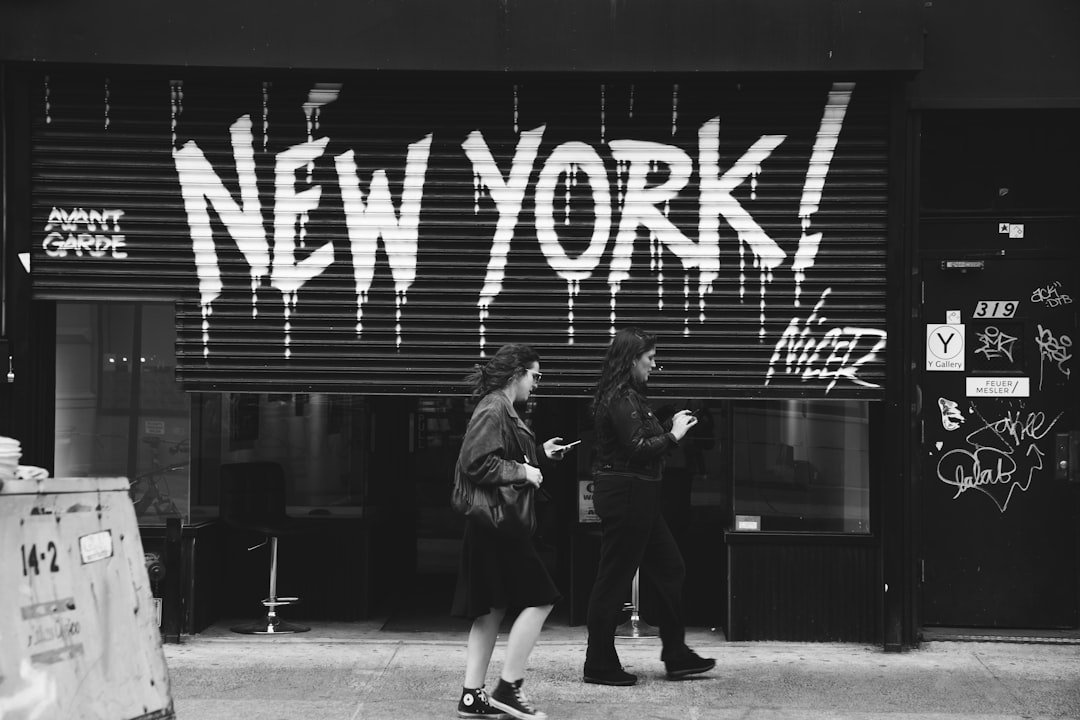
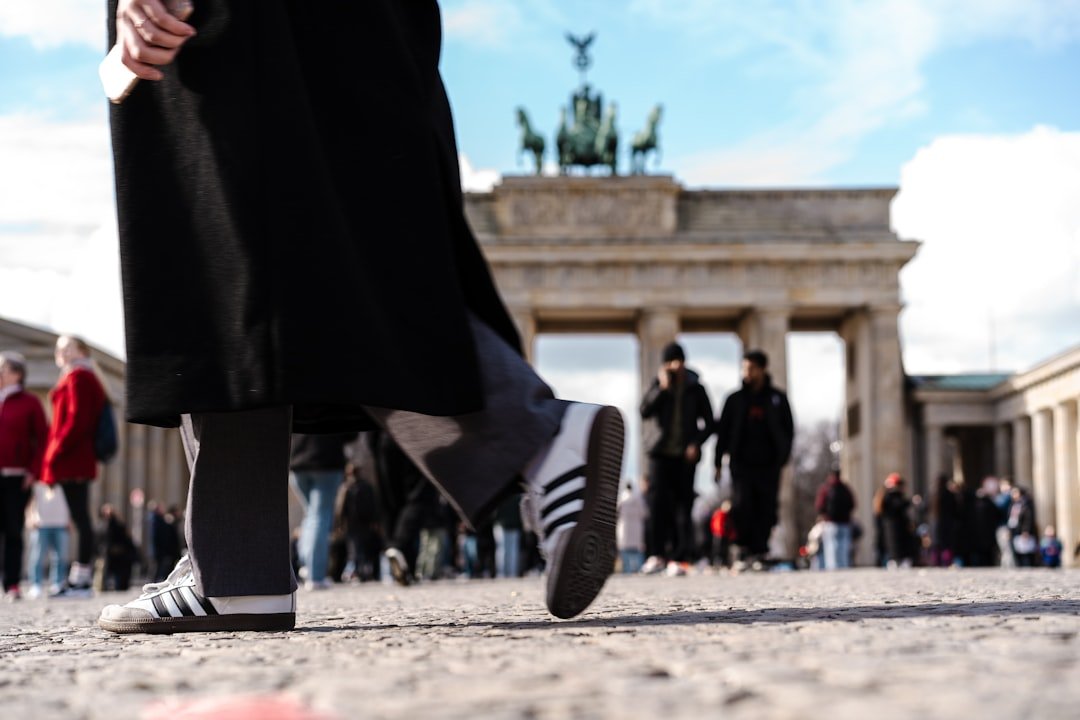
New York street style black outfit statement sneakers oversized coat
Photo by ian dooley on Unsplash

New York: Urban Pragmatism Meets Bold Attitude

New York street style is shaped by the city's pace and practicality. People walk everywhere, take the subway, and transition from boardroom to bar without going home to change. The result is a style that's polished but functional, with bold elements that command attention in a crowded urban landscape.

Signature Elements: - Black as a wardrobe foundation - Comfortable but stylish footwear (sneakers elevated to art form) - Oversized outerwear and statement coats - Mix of athletic and dressy pieces - Designer bags as investment pieces - Sunglasses as essential accessories - Confidence in wearing standout pieces

New York style borrows from the city's diversity—you'll see influences from hip-hop culture, Wall Street power dressing, artist loft casual, and everything in between, often in the same outfit.

Berlin street style black utilitarian outfit chunky boots minimalist
Photo by Piotr Czirnia on Unsplash

Berlin: Industrial Minimalism with Edge

Berlin's street style reflects the city's history and creative spirit—it's functional, often dark, with a raw edge that comes from the city's legendary club scene and artist community. Comfort and self-expression trump conventional attractiveness.

Signature Elements: - Monochromatic palettes (especially black) - Utilitarian and workwear influences - Oversized and deconstructed silhouettes - Chunky boots and functional footwear - Leather, hardware, and industrial textures - Gender-neutral and androgynous looks - Vintage and secondhand as primary shopping

Berlin style has a 'post-fashion' quality—it's less about trends and more about creating a uniform that reflects your creative identity. The city's strong sustainability culture also means vintage and upcycled pieces are highly valued.

How to Blend International Street Style Into Your Wardrobe

Now comes the exciting part—actually mixing these diverse influences into cohesive outfits. The key is understanding that you're not trying to look like you're from any particular city; you're creating something new that draws from all of them. Here's your step-by-step guide to mastering the mix.

0 of 6 completed 0%
  • Choose one city's aesthetic as your foundation (60-70% of the outfit). This creates cohesion and prevents the costume effect.

  • Introduce one or two elements from a different city's style vocabulary. This creates visual interest and personal flair.

  • Even when mixing maximalist Tokyo pieces with Parisian basics, maintain a coherent color palette to unify the look.

  • If you're wearing oversized Berlin-inspired layers on top, consider more fitted Parisian-style bottoms to create shape.

  • A Tokyo-inspired statement accessory can transform a minimalist Berlin outfit. Accessories are low-risk entry points.

  • Shoes often set the tone—New York sneakers, Parisian ballet flats, or Berlin chunky boots will each pull the outfit in different directions.

Practical Mixing Formulas

To make this concrete, here are tested combinations that work:

Tokyo Base + Parisian Polish Start with Tokyo's layering approach and playful silhouettes, but execute in a Parisian color palette. Think: oversized structural jacket, wide-leg trousers, interesting textures—all in cream, black, and camel. Add one whimsical accessory (a sculptural bag or statement earrings) to nod to Tokyo's maximalism.

Berlin Foundation + New York Energy Begin with Berlin's utilitarian, all-black base and oversized proportions, then inject New York's boldness through a statement sneaker, designer bag, or confident pop of an unexpected color. The result is functional fashion with clear personality.

Parisian Core + Tokyo Details Take the Parisian capsule wardrobe approach—quality basics, perfect fit, neutral palette—and elevate it with Tokyo's attention to small details. This might mean adding an unexpected brooch, choosing shoes with an architectural element, or incorporating one piece with interesting texture or subtle pattern.

New York Practicality + Berlin Edge Combine New York's urban functionality (comfortable shoes, bag that holds everything, clothes you can move in) with Berlin's darker, more industrial aesthetic. This is street style for people who actually live in their clothes.

Fashion flat lay showing mixed international style pieces from different cities
The art of mixing: Parisian blazer, Tokyo-inspired layered accessories, New York sneakers, Berlin minimal jewelry
Photo by hey emmby on Unsplash

Building Your International Style Vocabulary

The best way to develop fluency in global street style is through consistent observation. Follow street style photographers and accounts from different cities on Instagram—The Sartorialist, Style Du Monde, and city-specific hashtags are excellent starting points. Notice which elements resonate with you, and start building a mental (or Pinterest) library of looks that speak to your aesthetic.

Remember that authenticity matters more than accuracy. You're not trying to pass as a local anywhere—you're curating influences that feel right for your life, body, and personality.

Common Mistakes to Avoid When Mixing International Styles

Even with the best intentions, there are pitfalls that can turn a sophisticated global mix into a confusing costume. Here are the most common mistakes and how to avoid them.

Mistake #1: The "United Nations" Effect

Trying to represent every fashion capital in a single outfit creates visual chaos. When you combine a Tokyo graphic tee with Parisian tailored pants, Berlin combat boots, and New York streetwear accessories all at once, the eye has nowhere to rest.

The Fix: Limit yourself to influences from two cities maximum per outfit. Let one dominant aesthetic drive the look, with the other playing a supporting role.

Mistake #2: Ignoring Context and Lifestyle

That Berlin club-ready all-black look with platform boots might be stunning, but if you work in a conservative office and drive everywhere, it's not serving you. International style mixing should enhance your actual life, not create a costume for a fantasy version of it.

The Fix: Always filter inspiration through the lens of your real daily activities, local climate, and comfort needs. Adapt ideas rather than copying looks wholesale.

Mistake #3: Confusing Cultural Costume with Style Influence

There's a crucial difference between being inspired by Tokyo's approach to layering and accessorizing versus wearing traditional Japanese garments as costume. International street style is about adopting aesthetic principles, not appropriating cultural dress.

The Fix: Focus on silhouettes, proportions, color approaches, and styling techniques rather than culturally specific garments. When in doubt, research the history and significance of a piece before wearing it.

Pros
  • Inspired by Tokyo layering principles
  • Adopting Parisian quality-over-quantity approach
  • Using Berlin's dark color palette
  • Embracing New York's mix of high-low fashion
Cons
  • Wearing traditional garments out of context
  • Treating other cultures as costume themes
  • Reducing complex fashion cultures to stereotypes
  • Ignoring the origins and significance of specific items

Mistake #4: Prioritizing Trend Over Fit

A Tokyo-inspired oversized silhouette or Parisian tailored trouser only works if it fits your body correctly. 'Oversized' doesn't mean 'wrong size,' and 'tailored' requires actual tailoring to your measurements.

The Fix: Invest in alterations. A $15 trip to the tailor can make a $40 pair of pants look designer. Understand the difference between intentionally oversized (with proper shoulder placement and hem length) and simply too big.

Mistake #5: Forgetting About Quality Fundamentals

No amount of sophisticated mixing can save an outfit built on pieces that are pilling, faded, or poorly constructed. International street style stars share one thing in common: attention to the condition of their clothes.

The Fix: Curate ruthlessly. Better to have fewer pieces in excellent condition than a closet full of worn-out options. Learn basic garment care and know when to retire pieces that have seen better days.

Mistake #6: Trying to Look Expensive Instead of Interesting

The goal of mixing international styles isn't to appear wealthy—it's to appear thoughtful and creative. Chasing designer logos or trying to 'pass' as wearing high-end pieces misses the point entirely.

The Fix: Focus on the idea, not the price tag. The most compelling street style often comes from unexpected combinations of vintage, contemporary, high-end, and accessible pieces. Creativity trumps budget.
Best Practices for Building an Internationally-Inspired Wardrobe

Building a wardrobe that supports international style mixing is different from shopping for trends. It requires strategic thinking, patience, and a clear understanding of how pieces will work together. Here are expert-level best practices to guide your approach.

Invest in Versatile Foundation Pieces

Before you can mix styles effectively, you need a solid foundation of basics that can swing in multiple directions. These pieces should be high-quality, fit perfectly, and work across different aesthetics.

Essential foundations include: - Well-fitted black trousers in both slim and wide-leg silhouettes - Quality white shirts in different weights and styles - Neutral-colored knitwear (black, cream, gray) - A perfectly fitted blazer or tailored jacket - Dark, straight-leg denim - Plain t-shirts in premium fabrics

These pieces serve as your canvas—they'll lean Parisian with certain styling, Berlin with others, and New York when paired with the right sneakers and accessories.

Develop a Signature Accent Category

Rather than trying to collect statement pieces across all categories, choose one area where you'll invest in interesting, internationally-inspired pieces. This might be:

  • Outerwear: A Tokyo-worthy oversized coat, a Berlin leather jacket, a Parisian trench
  • Footwear: Architectural sneakers, vintage boots, interesting flats
  • Bags: Sculptural shapes, interesting textures, conversation starters
  • Jewelry: Bold earrings, layered necklaces, statement rings

Having a signature category gives your style consistency and makes shopping more focused. You become known for your amazing jackets or your interesting shoe game, and that becomes your personal style anchor.

Organized wardrobe showing foundation basics alongside statement international pieces
A well-organized wardrobe balances versatile basics with internationally-inspired accent pieces
Photo by Giovanna Karla on Unsplash

Shop Secondhand Strategically

Vintage and secondhand shopping is essential for developing unique international style for several reasons: you'll find pieces that aren't available in current retail, prices are more accessible, and you'll reduce your environmental impact. According to ThredUp's Resale Report, the secondhand market is growing rapidly as consumers seek unique, sustainable options.

Strategic secondhand shopping tips: - Research designers and labels from your target style cities before shopping - Look for Japanese brands like Comme des Garçons, Issey Miyake, and Yohji Yamamoto in secondhand stores—their pieces hold up beautifully - Seek out French heritage brands (A.P.C., Isabel Marant, Sandro) for Parisian basics - German and Scandinavian brands offer excellent quality minimalist pieces - Don't overlook quality basics from any origin—fit and fabric matter more than label

Study the Details That Matter

What separates good international style mixing from great is attention to the small stuff:

  • Fabric quality: Natural fibers generally read more sophisticated
  • Hardware: Buttons, zippers, and closures should look intentional
  • Finishing: Hems, seams, and edges signal quality or lack thereof
  • Proportion: How pieces relate to each other in volume and length
  • Grooming: Hair, skin, and nails are part of the complete picture

Document What Works

Keep a record of outfits that feel successful—photos on your phone are perfect. Over time, you'll start to see patterns in what works for you specifically. Maybe you gravitate toward Tokyo influences in spring but Berlin aesthetics in winter. Perhaps Parisian proportions work better for your body than New York oversized styles. This self-knowledge is invaluable and can only be gained through experimentation and documentation.

Personal style isn't about following rules from any one place—it's about breaking them thoughtfully, with full knowledge of what you're doing and why.

Rei Kawakubo
Founder, Comme des Garçons

Seasonal Strategies for International Style Mixing

Different seasons offer different opportunities for global style mixing. Here's how to adapt your approach throughout the year while maintaining a cohesive international aesthetic.

Spring: Tokyo Layering Meets Parisian Lightness

Spring's unpredictable weather makes it perfect for Tokyo-style layering. Think light jackets over sweaters over shirts, all in a Parisian-inspired pastel or neutral palette. This season is ideal for:

  • Lightweight trenches and unstructured blazers
  • Transitional layering pieces
  • Interesting lightweight scarves and wraps
  • The debut of interesting footwear after winter boots

Summer: New York Minimalism with Tokyo Accessories

Heat demands simplicity, making New York's streamlined approach practical. But you can add visual interest through Tokyo-inspired accessories and details:

  • Quality basics in interesting cuts
  • Statement sunglasses and bags
  • One bold accessory per outfit
  • Elevated sandals or pristine white sneakers

Fall: Berlin Utility Meets New York Polish

Fall is street style's showtime—cooler temperatures allow for layering without overheating, and you can experiment with texture, volume, and weight:

  • Berlin-inspired utilitarian jackets
  • New York's statement coats as outfit anchors
  • Layered textures (leather, wool, cotton)
  • Transition from summer sneakers to boots

Winter: Full Parisian Elegance with Berlin Edge

Cold weather demands quality outerwear and cohesive layering. This is the season for Parisian investment pieces with Berlin's darker palette:

  • Quality wool coats and structured outerwear
  • Cashmere and premium knitwear
  • Sophisticated cold-weather accessories (quality scarves, leather gloves)
  • Boots that can handle weather while looking intentional
Season Primary Influence Accent Influence Key Pieces
Spring Tokyo layering Parisian palette Light jackets, transitional layers
Summer New York minimal Tokyo accessories Quality basics, statement extras
Fall Berlin utility New York polish Structured jackets, layered textures
Winter Parisian elegance Berlin edge Investment outerwear, quality knits

Budget-Friendly Tips for Global Style

You don't need a designer budget to achieve sophisticated international style mixing. In fact, some of the most compelling street style comes from creative use of accessible pieces. Here's how to get the look without the luxury price tag.

Prioritize Fit Over Label

A $50 blazer that fits perfectly will always look better than a $500 blazer that doesn't. Budget for alterations—even basic hemming and taking in can transform affordable pieces. Many dry cleaners offer tailoring services at reasonable prices, and the investment pays off exponentially.

Master the Art of the Dupe

When you spot an expensive piece that embodies a particular city's aesthetic, don't immediately click 'add to cart.' Instead, analyze what makes it work:

  • Is it the silhouette?
  • The color or fabric?
  • A specific detail like buttons or hardware?
  • The proportion or cut?

Once you understand the appeal, you can often find budget-friendly alternatives that capture the same effect. Retailers like Zara, & Other Stories, COS, and Uniqlo frequently produce pieces inspired by high-fashion aesthetics at accessible prices.

Invest Strategically

Not all pieces deserve equal budget allocation. Spend more on:

  • Items you'll wear frequently
  • Pieces that are hard to replicate cheaply (leather goods, tailored items)
  • Foundation basics that everything else builds on
  • Shoes that need to be comfortable AND stylish

Spend less on:

  • Trend-driven statement pieces
  • Items you're experimenting with
  • Pieces that have affordable versions with similar impact
  • Anything you're uncertain about
0 of 5 completed 0%
  • Quality items from desired brands at 50-70% off beat fast-fashion purchases at full price

  • Sites like YesStyle (Asian fashion) and European boutiques often have unique pieces at reasonable prices

  • Regular visits help you catch quality pieces when they arrive

  • Proper washing, storage, and maintenance extends the life of pieces significantly

  • A $200 coat worn 100 times costs less than a $50 coat worn 10 times

The 80/20 Rule of Style Investment

Aim for 80% of your wardrobe to be affordable, versatile pieces and 20% to be more special investments. Those investment pieces—a quality leather jacket, perfect tailored trousers, statement footwear—do the heavy lifting of making entire outfits look more expensive and considered.

Frequently Asked Questions

Start by honestly assessing your lifestyle, body type, and natural preferences. If you gravitate toward comfort and practicality, New York or Berlin influences might resonate. If you appreciate details and craftsmanship, Parisian style could be your foundation. If you love self-expression and aren't afraid to stand out, Tokyo's maximalism might speak to you. The beauty of mixing is that you don't have to choose just one—experiment with different influences and pay attention to which make you feel most confident and authentic.

Absolutely. International street style is about aesthetic principles, not geography. You might need to shop more online and be creative with sourcing, but the concepts translate anywhere. In fact, standing out positively in a smaller community can be easier—you won't be competing with thousands of other style-conscious people. Adapt the looks to your actual life: if you drive everywhere, comfortable but interesting shoes matter more than walkable heels. If your town skews casual, lean into the more relaxed versions of each city's aesthetic.

Quality trumps quantity. You could effectively represent Tokyo influences with just two or three bold pieces that you rotate, or capture Parisian style with one perfect blazer and well-chosen basics. Start with one or two pieces from the aesthetic you're most drawn to, wear them repeatedly to understand how they work in your wardrobe, then slowly add more. A wardrobe with five carefully chosen international-inspired pieces will be more effective than one stuffed with mediocre fast-fashion interpretations.

Every style experiment teaches you something, even the failures. If a combination doesn't work, analyze why: Was it a proportion issue? Color clash? Did the pieces have conflicting levels of formality? This information is valuable for future styling decisions. Don't be discouraged—developing personal style is an ongoing process, and what feels wrong today might inspire your best look six months from now. The key is to experiment in low-stakes situations (weekends, casual events) before debuting new combinations at important occasions.

Authenticity in fashion comes from wearing what genuinely resonates with you, not from performing an identity. Be curious and respectful about the origins of different style movements. Understand the difference between being inspired by a styling approach (how Tokyo styles layers, how Paris approaches color) versus appropriating specific cultural garments. Focus on incorporating pieces you genuinely love rather than wearing something because it's 'expected' of a certain look. Your authentic mix will naturally emerge from genuine appreciation rather than surface-level copying.

Conclusion

Mastering international street style isn't about collecting pieces from around the world or mimicking looks from fashion capitals you've never visited. It's about developing visual literacy—understanding the principles that make each city's style distinct, then remixing those elements through the lens of your own life, body, and preferences.

The most stylish people in any city share one quality: they look like themselves, amplified. Tokyo's street style stars aren't following rulebooks; they're expressing individual creativity within a culture that celebrates fashion as art. Parisian chic isn't about owning specific brands; it's about understanding quality, fit, and the power of restraint. New York style emerges from practicality elevated by attitude. Berlin's aesthetic reflects values of authenticity and creative freedom over commercial polish.

As you develop your own globally-influenced style, remember that the goal isn't perfection or replication. It's curiosity. It's noticing how someone in Seoul combines unexpected proportions, then asking yourself how that principle might work in your life. It's appreciating Milanese color confidence while adapting it to your own palette preferences. It's building a wardrobe that reflects not just where you are, but everywhere that inspires you.

Start small. Choose one city's aesthetic that resonates with you, incorporate one element this week, and see how it feels. Notice what works. Adjust what doesn't. Over time, these experiments accumulate into something no algorithm can replicate: a personal style that's informed by the world but belongs entirely to you.

The fashion capitals will keep evolving, and so will you. That's the beauty of international street style—it's never finished, always in conversation, endlessly inspiring. Welcome to the global style community.

Ready to Decode More Street Style Trends?

Explore our comprehensive guides to seasonal trends, affordable fashion finds, and style inspiration from around the world.

Browse Street Style Guides