Introduction

Every season, the world's fashion elite descends upon Paris to witness collections that will shape what we all wear for years to come. But here's what the glossy magazines won't tell you: those seemingly spontaneous, artistic runway shows are actually the result of calculated runway design strategy that's been refined over decades.

While the average viewer sees models gliding past in gravity-defying gowns, industry insiders know they're watching a carefully orchestrated performance designed to manipulate desire, create scarcity, and ultimately drive sales—from the $15,000 couture piece down to the $50 perfume at your local department store. Understanding these secrets doesn't just make you a more informed fashion observer; it helps you shop smarter and spot trends before they hit the mainstream.

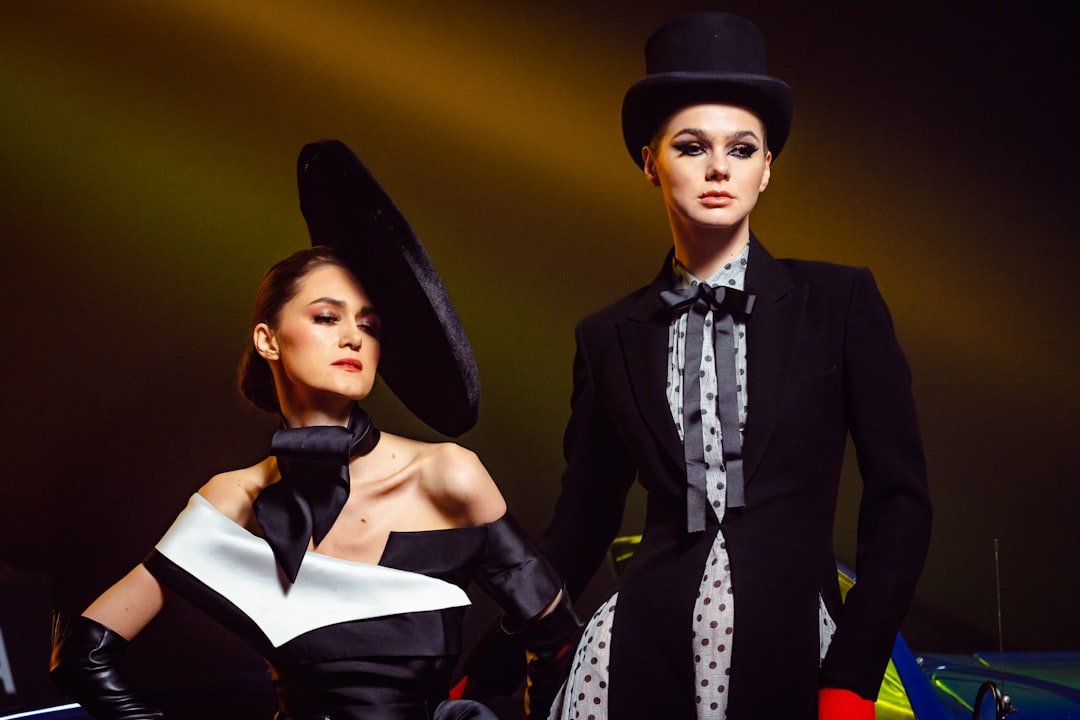
Models walking down a Paris fashion week runway with dramatic lighting and seated audience
Behind every Paris runway moment lies months of strategic planning
Photo by Itadaki on Unsplash

What Is Runway Design Strategy?

Runway design strategy refers to the deliberate decisions designers make about every aspect of their collections—from the order of looks and the music selection to the lighting, venue, and even which celebrities sit front row. It's the art of storytelling through fashion, but with a very commercial purpose.

Think of it like a movie trailer. Just as filmmakers carefully select which scenes to show to generate maximum excitement without giving away the plot, fashion designers curate their runway presentations to create desire while holding back their most commercially viable pieces. According to the Fédération de la Haute Couture et de la Mode, which governs Paris Fashion Week, these shows are as much marketing events as they are artistic expressions.

The runway is theater, but the business happens backstage. Every look you see has been calculated to serve both art and commerce.

Industry Insider
Former Creative Director, Major French Fashion House

How the Magic Actually Works

The 70-20-10 Rule

Most established fashion houses follow an unwritten formula when building collections. Approximately 70% of pieces are designed to be commercially viable and will eventually appear (in modified form) in stores. These are the wearable blazers, elegant dresses, and timeless accessories that actually generate revenue.

The remaining 20% are "statement pieces"—more dramatic versions of trends that generate social media buzz and editorial coverage. The final 10%? Those are the theatrical showstoppers that exist purely for press attention. That eight-foot-wide sculptural gown you saw on Instagram? It was never meant to be sold; it was designed to be photographed.

Strategic Look Ordering

The sequence of looks on a runway is never random. Designers typically open with a "thesis statement"—a look that encapsulates the collection's mood and color palette. The middle section builds the narrative with commercially viable pieces, while the finale features the most dramatic creations that will dominate tomorrow's headlines.

This ordering ensures that even if editors only photograph the first and last looks, they capture the collection's essence and its most shareable moments.

70%
Commercial Pieces
Designed to be modified and sold in stores
20%
Statement Pieces
Created for editorial coverage and buzz
10%
Showstoppers
Exist purely for press and social media

The Trickle-Down Timeline

Here's what fast fashion brands understand that casual shoppers don't: runway shows happen six months before the season they represent. When you see Spring/Summer collections in September, designers are showing buyers and press what will be relevant the following spring.

This timeline allows luxury houses to sell their expensive versions first, then mid-tier brands to create inspired pieces, and finally fast fashion retailers to produce affordable interpretations. Research from Business of Fashion shows this cycle has accelerated dramatically, with some trends now reaching mass market in as little as three weeks.

Real-World Examples of Strategy in Action

The Color Coordination Conspiracy

Have you ever noticed how multiple designers seem to independently choose the same "it" color each season? This isn't coincidence—it's coordination. Textile manufacturers, trend forecasting agencies like WGSN, and design houses communicate months in advance about which colors and fabrics will be available and promoted.

When you see "butter yellow" trending across ten different runway shows, you're witnessing an industry-wide agreement that makes manufacturing, marketing, and retail coordination possible.

The Front Row Formula

Celebrity seating is perhaps the most visible form of runway strategy. Designers strategically invite celebrities whose personal brand aligns with the collection's intended audience. A brand targeting Gen Z will seat young influencers and TikTok stars; a heritage house cultivating old-money appeal will invite established actresses and socialites.

Every front-row photo is essentially a marketing campaign, with celebrities often contractually obligated to wear the brand and post about the show.

Strategy Element What You See What It Really Means
Unwearable Finale Look Artistic expression Guaranteed press coverage
Celebrity Front Row Star power Targeted demographic marketing
Matching Colors Across Brands Trend emergence Industry-wide coordination
Show Location Choice Creative setting Brand positioning statement

Common Misconceptions About Runway Fashion

Misconception: Runway clothes are too weird to wear.

Reality: The exaggerated pieces you see are intentionally dramatic. The actual items that reach stores are significantly toned down. That avant-garde shoulder construction becomes a subtly structured blazer; the floor-length fringe translates to tasteful trim on a handbag.

Misconception: Designers create whatever inspires them.

Reality: While creativity drives fashion, commercial realities shape every collection. Designers work within strict budgets, consider manufacturing limitations, and often design around existing fabric inventory. Even the most artistic creative directors answer to business teams.

Misconception: You need to follow runway trends to be stylish.

Reality: Runway trends represent possibilities, not prescriptions. The savviest fashion enthusiasts pick and choose elements that work for their personal style and lifestyle, ignoring the rest entirely.
Luxury pieces arrive 4-6 months after shows. Fast fashion interpretations can appear in as little as 2-4 weeks, though 6-8 weeks is more typical for quality reproductions.

No. The most dramatic runway pieces serve as marketing tools and artistic statements. They generate press coverage that promotes the brand's more wearable (and profitable) items.

Look for pieces that appear across multiple designers, can be adapted for various body types, and don't require extreme styling to work. If it shows up in the 70% commercial portion of several collections, it's likely heading mainstream.

Key Takeaways

Understanding runway design strategy transforms you from a passive trend follower into an informed fashion consumer. Remember that those breathtaking Paris shows are equal parts art and commerce, designed to create desire while serving very practical business goals.

The next time you watch a fashion week livestream, look beyond the spectacle. Notice which pieces are clearly commercial, which exist for press coverage, and which colors and silhouettes repeat across multiple shows. This insider knowledge helps you predict what will hit stores, shop more strategically, and avoid paying premium prices for trends you could have spotted months in advance.

0 of 4 completed 0%
  • Identify commercial pieces versus theatrical showstoppers

  • These coordinated choices predict upcoming mainstream trends

  • Use this knowledge to plan purchases and find dupes

  • The overall shapes and proportions translate most reliably to everyday fashion

Want More Insider Fashion Knowledge?

Subscribe to Trend Vogue for weekly runway breakdowns, affordable alternatives to designer pieces, and expert tips on translating high fashion into everyday style.

Join the Trend Vogue Community