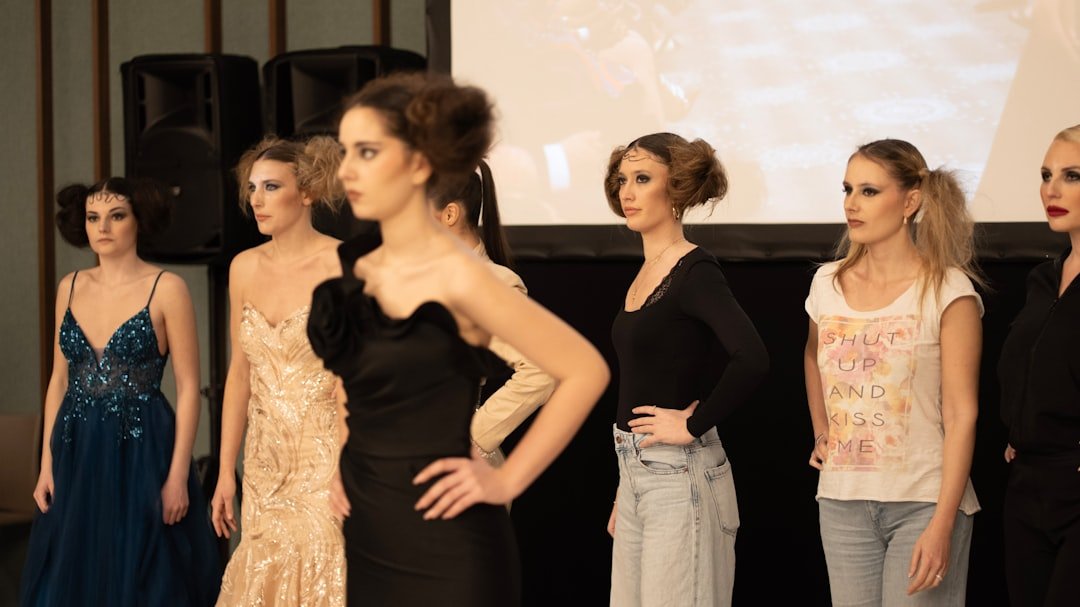
Spring 2026 Runway Trends Explained
Editor-in-Chief
Every six months, the fashion world descends on New York, Milan, and Paris to witness designers unveil their visions for the seasons ahead. But unless you're sitting front row or have a fashion degree, decoding what those dramatic runway moments actually mean for your closet can feel overwhelming.
The Spring 2026 collections have officially wrapped, and the verdict is in: this season is all about contrast. Designers are playing with opposing forces—strength and softness, coverage and exposure, minimalism and maximalism. The result? A surprisingly wearable set of trends that celebrate individuality while pushing fashion forward.
Whether you're a trend-chaser or prefer timeless pieces, understanding these runway themes will help you shop smarter and style bolder. Let's break down exactly what's coming and how you can make it work for your wardrobe and budget.
Before diving into the specific looks, let's clarify what runway trends actually are—and why they matter to everyday dressers.
Runway trends are the recurring themes, silhouettes, colors, and techniques that emerge across multiple designer collections during Fashion Week. When several designers independently arrive at similar ideas—say, oversized shoulders or a particular shade of blue—it signals a broader cultural mood that will eventually trickle down to mainstream fashion.
Think of runway shows as fashion's research and development department. Designers experiment with extreme versions of ideas, and over the following 12 to 18 months, those concepts get translated into pieces you'll find at Zara, H&M, and your favorite boutiques. Understanding the source helps you anticipate what's coming and invest wisely.
The Spring 2026 shows reflected a world in transition. Designers responded to global conversations about gender, power, sustainability, and technology—translating abstract ideas into tangible garments.
New York set the tone with a focus on ease and movement. American designers leaned into relaxed tailoring and breathable fabrics, acknowledging that comfort isn't going anywhere.
Milan brought drama through texture and shine. Italian houses embraced liquid metallics and high-gloss finishes, channeling optimism and glamour without veering into costume territory.
Paris delivered the intellectual punctuation. French designers deconstructed traditional femininity, presenting sculptural shoulders and sheer layers that revealed as much as they concealed—challenging viewers to reconsider what "dressing up" means today.
Transparency was everywhere—organza blouses, mesh overlays, and gauzy dresses that played with what's seen and unseen. But this isn't about shock value. Designers styled sheer pieces thoughtfully, layering them over structured undergarments, slip dresses, or tailored separates.
How to wear it: Start with a sheer button-down over a matching camisole and high-waisted trousers. The key is intentional layering—you control what shows through. Look for budget-friendly mesh tops at ASOS or & Other Stories.
The strong shoulder is back, but softer than the 1980s version. Think rounded, almost organic shapes rather than sharp pads. Blazers, dresses, and even knitwear featured built-up shoulders that created an hourglass silhouette without feeling aggressive.
How to wear it: A structured blazer with gentle shoulder emphasis instantly elevates jeans and a t-shirt. Mango and COS are already stocking versions inspired by runway looks at accessible price points.
Forget the disco ball aesthetic—Spring 2026's metallics flow like water. Silver, gold, and bronze appeared in fluid fabrics that move with the body. Midi skirts, draped tops, and even relaxed trousers got the metallic treatment, making shine feel surprisingly wearable for daytime.
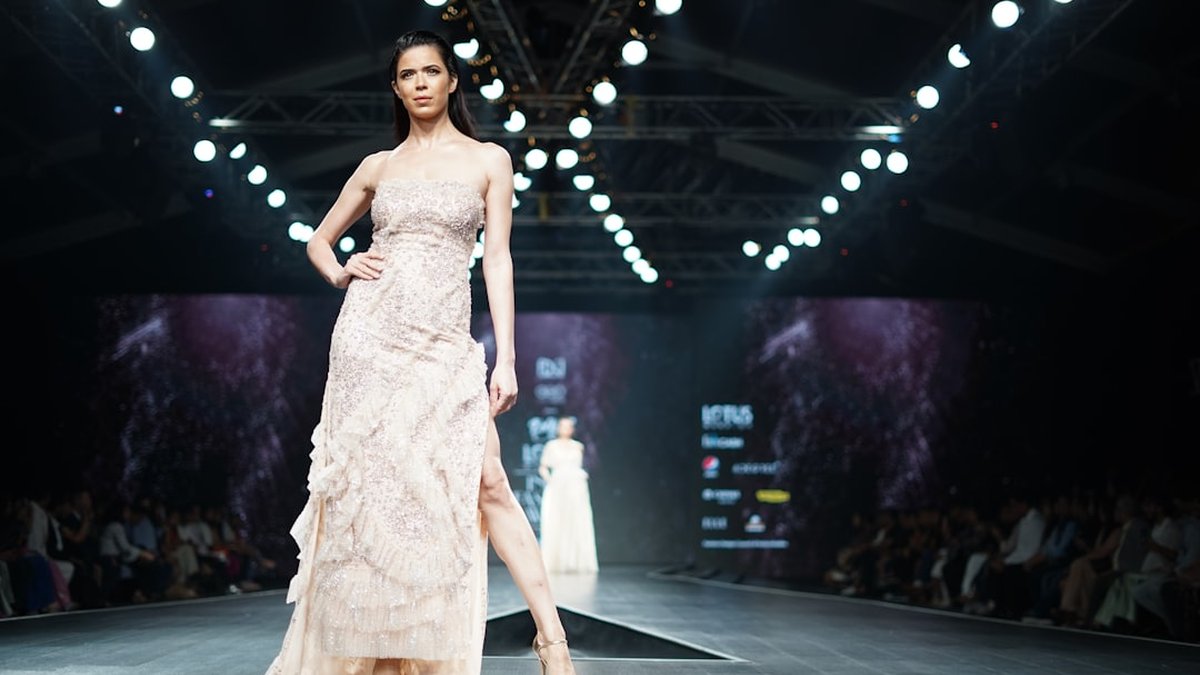
How to wear it: A silver pleated midi skirt pairs beautifully with a simple white tee and sneakers. The contrast between casual basics and statement metallic keeps the look grounded. Check Zara and Topshop for affordable liquid-effect pieces as the season approaches.
Understanding trends is one thing—actually wearing them is another. Here's how these runway concepts translate to real life across different scenarios.
| Occasion | Sheer Layers | Sculptural Shoulders | Liquid Metallics |
|---|---|---|---|
| Work | Mesh top under blazer | Structured blazer with trousers | Metallic accessories only |
| Weekend Brunch | Organza blouse + jeans | Puff-sleeve sweater | Silver midi skirt + sneakers |
| Date Night | Sheer dress with slip | Shoulder-detail mini dress | Gold draped top + black pants |
| Wedding Guest | Layered tulle gown | Sculptural one-shoulder dress | Full metallic gown |
A mesh top or organza blouse offers maximum versatility for the trend
Look for structured shoulders in a neutral color you'll wear repeatedly
Skip the party dress—opt for a metallic skirt or trouser for everyday shine
The magic of Spring 2026 is in thoughtful combinations, not single statement pieces
Budget-friendly versions of these trends will hit stores in late winter 2026
Spring 2026 fashion trends offer something refreshing: options that feel both forward-thinking and genuinely wearable. Whether you embrace sheer layers, sculptural shoulders, liquid metallics—or all three—the key is making these trends your own. Start small, experiment with what excites you, and remember that the best-dressed people aren't those who follow every trend, but those who know which ones suit their style and life.
Subscribe to Trend Vogue for weekly trend breakdowns, affordable alternatives to designer looks, and styling tips that make high fashion accessible.
Join the List
Comments
No comments yet. Be the first to comment!
Leave a Comment